The Advantages of Copier Leasing for Small Businesses in Daytona Beach

October 13, 2026
 1554 views
 0 comments
A plain-English look at office copier lease terms, costs, and contract traps for Daytona Beach and Central Florida small businesses.
Why Copier Leasing Works for Small Offices
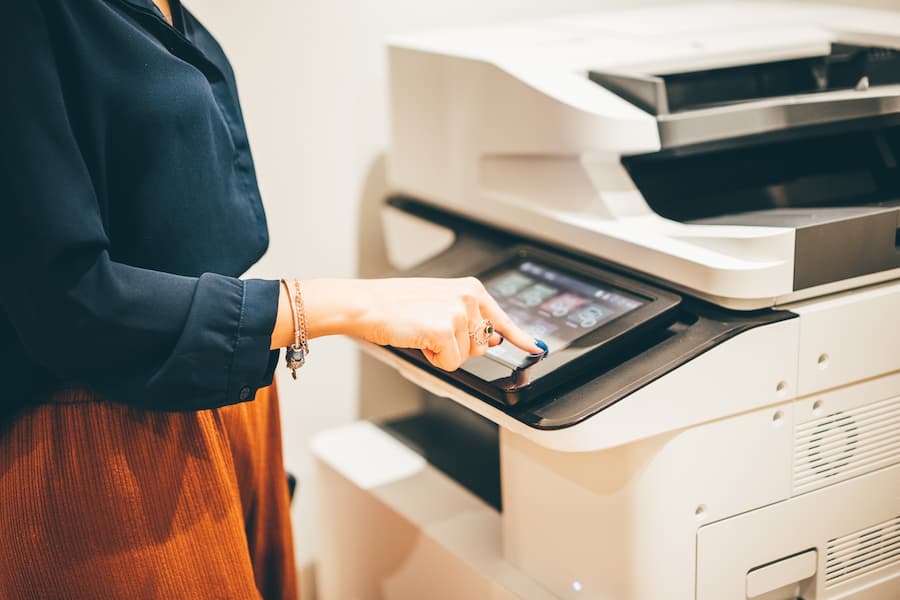
Copier leasing for small businesses is one of those decisions that looks boring until the machine dies on a Friday afternoon. Then it becomes the only thing anyone in the office talks about. A copier does far more than copy now. It prints, scans to email, files documents into cloud folders, and sits on your network like any other computer.
So what does a lease actually buy you? Mostly predictability. You swap a big purchase for a monthly line item, and in many contracts the service, parts, and toner ride along with it. For a five-person law office in Daytona Beach or a dental practice in Ormond Beach, that fixed number is easier to budget than a surprise repair bill.
But leasing is not magic. Contracts can be long, and some are written to favor the lessor. This guide covers how leases work, what they really cost, where the traps hide, and how to decide. Smart Technologies has placed copiers in Central Florida offices since 1999, so we have seen both the good deals and the bad ones.
Sources: U.S. SBA Office of Advocacy, Florida 2025 State Profile. Lease term is an industry norm; individual contracts vary.
Understanding Copier Leasing
What Is Copier Leasing?
A copier lease is a contract. A leasing company or dealer owns the machine, and your business pays monthly to use it for a set term. Think of it like leasing a vehicle: you get the use, not the title. Most office leases also include a service agreement, which covers repairs, preventive maintenance visits, and often toner.
How the Process Works
- Assess your needs. Count monthly pages, color versus black and white, and whether you need scanning, stapling, or fax.
- Request quotes. Ask for the equipment price, monthly payment, per-page rates, and total contract value in writing.
- Review the agreement. Look hard at term length, escalation clauses, buyout rules, and return conditions.
- Install and train. The dealer delivers, connects the device to your network, and shows staff the basics.
- Service and renew. At the end of the term you return, renew, upgrade, or buy the unit.
Common Lease Types
Short-term leases of 12 to 24 months suit seasonal or fast-changing offices. Long-term leases of 36 to 60 months lower the payment. Then there is the fair market value (FMV) lease, which keeps payments low and lets you buy at the end for whatever the machine is worth. A $1 buyout lease works differently: payments run higher, but you own the copier when the term ends.
Rental is a fourth path. It is usually month-to-month and costs more per month, yet it fits a six-month project better than a five-year contract. Our guide on copier rental versus lease walks through that choice.
Benefits of Copier Leasing for Small Businesses
Lower Upfront Cost
A leased copier needs little or no cash at signing. That money can fund payroll, marketing, or a hire instead. For a business running on thin margins, keeping cash liquid is often worth more than the small premium a lease carries over time.
Fixed Monthly Payments
Budgeting gets easier when the number does not move. You know what the copier costs in March and in November. Just read the contract for escalators and overage charges, because a base payment is only part of the story.
Access to Current Technology
Copiers improve quickly. Speed, scan quality, mobile printing, and security features all move forward every few years. A lease lets you refresh the fleet on a schedule rather than nursing a machine already five generations behind.
Service and Support Built In
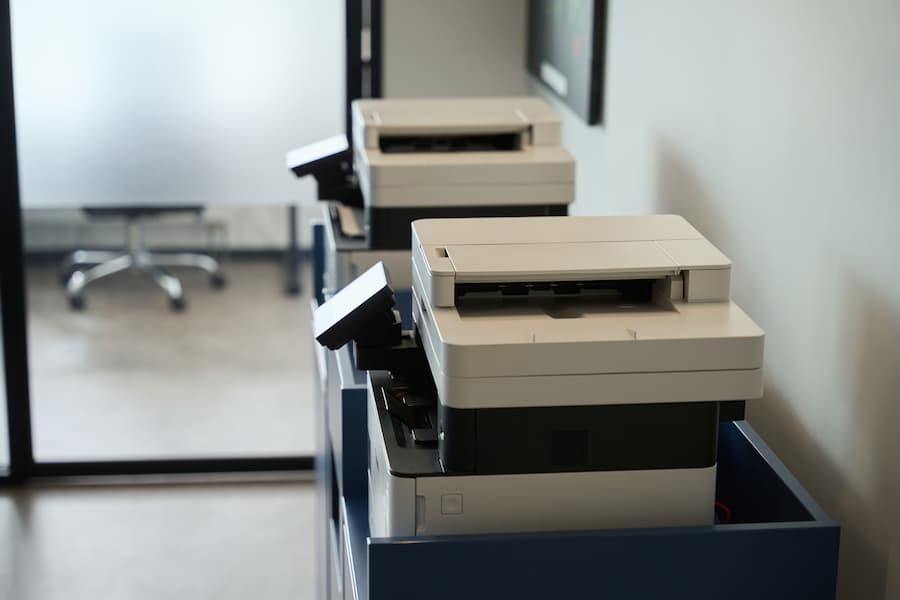
Most dealer leases wrap maintenance into the deal. When a roller wears out or a fuser fails, a technician handles it. Downtime costs real money; a stalled copier can hold up invoices, intake forms, and client deliverables. Fast local service matters more than almost any spec on the brochure.
- Predictable cash flow with little capital outlay
- Regular upgrades without resale headaches
- Service, parts, and often toner included in one agreement
- Possible tax advantages; ask your CPA, since treatment depends on lease structure
- One vendor to call when something breaks
Copier Leasing Cost Versus Buying
Here is the honest math. Leasing usually costs more than buying over the full life of a machine, because the lessor builds financing and risk into the payment. Buying wins if you keep the copier five years or longer and handle service yourself. Leasing wins if cash, convenience, and regular upgrades matter more than the last dollar.
Industry-published ranges give a rough picture. Treat them as ballparks, not quotes; your volume, features, and contract terms drive the real figure.
| Copier Class | Typical Purchase Price | Typical Monthly Lease |
|---|---|---|
| Small office multifunction printer | $2,000 to $6,000 | $50 to $150 |
| Mid-volume business copier | $7,000 to $15,000 | $150 to $350 |
| Department-level copier | $15,000 to $35,000 | $300 to $700 |
| Production print equipment | $35,000 to $100,000+ | $700 to $2,000+ |
Ranges are general industry estimates published by copier dealers such as Fraser Advanced Information Systems. Actual pricing varies by brand, speed, and options.
What Actually Drives the Monthly Number
- Equipment price and brand
- Lease term and buyout type
- Included pages and overage rates
- Color versus black-and-white volume
- Finishing options such as staplers and large trays
- Service level and response time
Want a deeper dive? Our copier lease cost breakdown and the guide to total cost of ownership for printing show how the pieces add up.
Factors to Consider Before You Lease a Copier
Your Real Print Volume
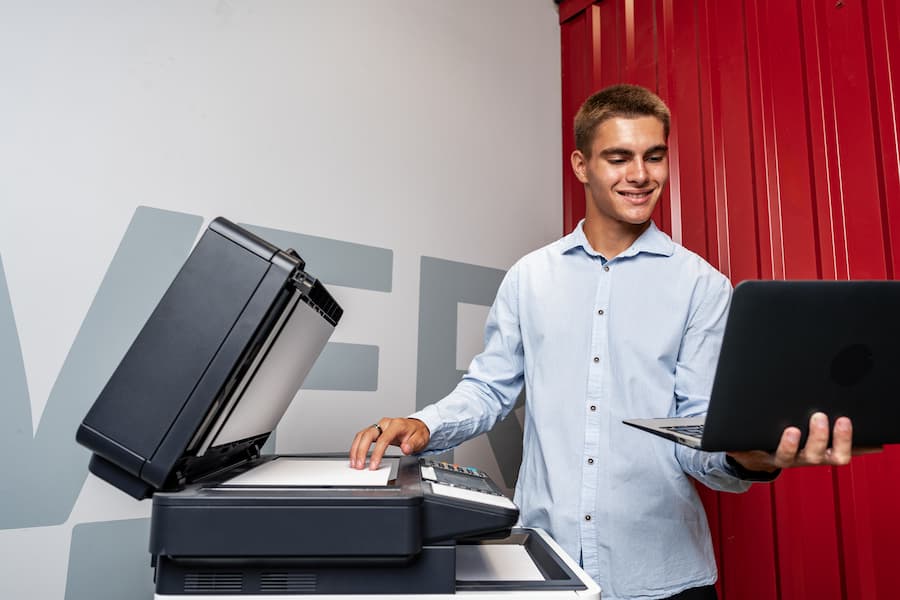
Pull three to six months of page counts if you can. People guess low. A medical office guessing 2,000 pages a month may really print 6,000 once scans, forms, and patient handouts are counted. Pick a machine rated for your volume, not your hope.
Features That Earn Their Keep
Do you need a multifunction printer with scan-to-email, secure release printing, or large-format paper trays? Every option adds to the monthly payment, so match the list to actual workflows. Extras nobody uses are just rent.
Who Services the Machine?
This is where local matters. A national leasing company may own the paper, but who answers the phone when the copier jams? Ask about response times, technician locations, and loaner equipment. In Central Florida, a dealer with techs in Volusia County beats a call center two time zones away.
The Leasing Company Itself
Check reviews, ask for local references, and read the agreement before signing. Reputable dealers explain terms in plain language and put every fee in writing. If the salesperson rushes you past the fine print, take that as a signal.
Lease Contract Traps Worth Catching
Most copier lease disputes come from a handful of clauses. They are not hidden; they are just easy to skim. Spend an hour on them before you sign and you can save thousands.
- Escalation clauses. Some contracts raise service rates 5 to 10 percent each year. Read our explainer on copier lease escalation clauses.
- Auto-renewal. Miss a notice window and you may be locked in for another year or more.
- End-of-term rules. Return conditions, shipping charges, and buyout pricing deserve a clear answer up front.
- Overage charges. Per-page fees above your allowance can add up fast in a busy month.
- Non-cancelable terms. Most leases cannot be ended early without paying the balance.
- Third-party financing. Your dealer may sell the contract to a finance company, which then collects payments and may have its own fees.
Our copier lease agreement guide goes clause by clause. Not sure what a term means? Ask. A good dealer will not mind.
Common Misconceptions About Copier Leasing
Myth: Leasing Always Costs More
Not always. Over a full lifecycle, buying is often cheaper on paper. But the paper math leaves out repair bills, downtime, trade-in value, and the cost of tying up cash. A small business with no in-house IT staff may come out ahead with a lease bundling everything.
Myth: Leased Machines Are Unreliable
Leased copiers are the same models dealers sell. Reliability comes from the brand and the service plan, not the payment method. Honestly, a leased unit with a strong maintenance contract often gets better care than a purchased one nobody services until it breaks.
Myth: Leases Are Rigid
Terms are more negotiable than most buyers expect. Length, payment structure, included pages, and upgrade rights can all shift. Yet flexibility has limits; early termination is usually expensive, so choose the term with care.
Myth: Buying Means No Ongoing Cost
Ownership brings toner, parts, labor, and eventually disposal. A cheap purchase can turn costly by year four. Do the full math either way.
Copier Leasing in Daytona Beach and Central Florida
Florida offices have their own quirks. Humidity swells paper and jams feeders. Summer storms bring power surges capable of damaging electronics. Hurricane season raises a fair question: if your office floods or loses power for days, what happens to a leased machine? Ask the dealer about insurance responsibility and replacement timelines before you sign.
The region is also full of small businesses. From Daytona Beach and Port Orange to Deltona, Orlando, and Sanford, medical practices, law firms, insurance agencies, and contractors all need dependable document equipment. Many handle sensitive records, and that raises the stakes on print security.
Security Is Part of the Lease
Modern copiers store images on internal drives and connect to your network. That makes them a target. The CISA guidance on staying safe online and the NIST small business cybersecurity resources both apply to office equipment. Ask whether the dealer offers hard drive encryption, data overwrite at end of lease, and firmware updates. Healthcare offices should also read our piece on HIPAA-compliant copier leasing in Florida.
Lease Versus Managed Print
Some offices skip the lease conversation and move to managed print services, where one provider handles devices, supplies, and monitoring for a per-page fee. It is a different model with its own tradeoffs. See managed print services versus a copier lease if your fleet is growing.
A Realistic Lease Scenario for a 12-Person Office
Picture a twelve-person accounting office in Daytona Beach. Tax season doubles the page count for three months, then volume drops. The owner is weighing a $9,000 purchase against a 60-month lease at roughly $210 a month, with service and toner included.
Run the numbers. Sixty payments of $210 total $12,600. That is $3,600 more than the purchase price. So why would anyone lease? Because the purchase scenario leaves out service. A basic service contract might run $60 to $90 a month, and out-of-pocket repairs can land at any time. Add five years of service to the purchase and the gap narrows or disappears.
Now factor in cash. Spending $9,000 in January, right before tax season, pinches working capital. A lease keeps cash available. And in year five the office can refresh the machine rather than hold onto aging hardware. Still, if the owner expects to keep the copier for eight years, buying probably wins. Your own numbers will differ; this example just shows how to frame the question.
Figures are illustrative, not a quote.
Questions to Ask Every Copier Leasing Company
Quotes are easier to compare when you ask the same questions of every vendor. Bring this list to each conversation and write down the answers.
- What is the total contract value over the full term, not just the monthly payment?
- Which pages are included, and what is the overage rate for black-and-white and color?
- Does the service agreement cover parts, labor, drums, and toner?
- What is the average technician response time in Volusia County?
- Is there an annual increase, and how is it calculated?
- What are the buyout, return, and shipping terms at the end of the lease?
- Who owns the contract: the dealer or a third-party finance company?
- What happens to stored data on the internal drive when the lease ends?
- Can the machine be upgraded mid-term, and what does that cost?
Ask for answers in writing. Verbal promises disappear fast. And if two quotes look wildly different, compare the pieces line by line; the cheaper monthly number often hides higher page charges.
A Simple Timeline Before Your Lease Ends
Start the conversation nine to twelve months before the end date. That gives you time to check auto-renewal notice windows, collect usage data, and shop alternatives. Waiting until the last month leaves you with whatever renewal terms the lessor offers. Early planning keeps your bargaining power.
Green Considerations
Leasing also helps with equipment disposal. Dealers typically take returned machines for refurbishment or recycling, which beats leaving a dead copier in the supply closet. If sustainability matters to your clients, ask about the dealer’s return and recycling process.
How Smart Technologies Helps
Smart Technologies of Florida is a Daytona Beach company, in business since 1999. We lease and service copiers and printers, and we also run managed IT. That combination matters because a copier is a network device now. Our team can size the machine, connect it securely, and keep it running.
Local Service Techs
Technicians based in Central Florida, so response times are measured in hours, not days.
Right-Sized Equipment
We match the machine to your real page counts, not a sales target.
Plain-Language Contracts
Every fee, term, and buyout rule explained before you sign.
Print Security
Encryption, secure release, and data overwrite options for sensitive records.
Managed IT Support
Network setup and printer integration handled by our IT team.
Upgrade Paths
Planned refresh cycles so your equipment never falls behind.
Browse our printers and copiers, read about office copier leasing services, or start with a copier lease quote. If your network needs attention too, our managed IT solutions cover it.
Frequently Asked Questions About Copier Leasing
What are the advantages of leasing a copier over buying?
Leasing lowers upfront cost, gives you a fixed monthly payment, and usually bundles service and supplies. It also makes upgrades easier. Buying can cost less over five or more years, so the best choice depends on your cash flow and how long you keep equipment.
How long are typical copier leasing terms?
Most copier leases run 36 to 60 months. Short-term leases of 12 to 24 months exist for temporary needs, though the monthly payment is higher. Longer terms lower the payment but lock you in.
Can I upgrade a leased copier before the term ends?
Often yes, but it depends on the contract. Some dealers allow a mid-term upgrade and roll the remaining balance into a new lease. Ask about this before signing, because early upgrades can carry fees.
What happens at the end of a copier lease?
You usually choose between returning the copier, renewing the lease, upgrading to a new model, or buying the machine. Read the end-of-term clause carefully, since auto-renewal and return conditions vary.
Are maintenance and repairs included in a copier lease?
Many dealer leases include a service agreement covering repairs, parts, and preventive maintenance. Toner is often included too. Confirm exactly what is covered, and what costs extra, such as overage pages or paper.
How much does it cost to lease a copier for a small business?
Industry ranges put small office multifunction printers around $50 to $150 per month and mid-volume copiers around $150 to $350. Your actual price depends on the brand, speed, volume, and contract length.
Is leasing a copier tax deductible?
Lease payments are often deductible as a business expense, but treatment depends on the lease structure and your situation. A $1 buyout lease may be treated differently than a fair market value lease. Check with your CPA.
What is an FMV lease versus a $1 buyout lease?
A fair market value lease has lower payments and lets you buy at the end for the machine’s market value, or walk away. A $1 buyout lease has higher payments and transfers ownership for a dollar when the term ends.
Can I cancel a copier lease early?
Most copier leases are non-cancelable. Ending one early usually means paying the remaining balance or an early termination fee. If flexibility matters, negotiate a shorter term or consider rental.
Is a copier lease better than managed print services?
Not necessarily. A lease covers one device or a small fleet. Managed print services cover devices, supplies, and monitoring across an office, usually for a per-page fee. Larger or growing offices often prefer managed print.
Does Smart Technologies lease copiers in Daytona Beach?
Yes. We lease and service copiers and printers across Daytona Beach and Central Florida, including Orlando, Port Orange, and Deltona. You can request a quote online or call (386) 252-2292.
What should I check before signing a copier lease?
Review the term length, escalation clauses, auto-renewal, overage rates, buyout price, and return conditions. Ask who owns the contract after signing, and who services the machine locally.
How does a copier lease affect data security?
Copiers store scanned images and print jobs on internal drives. Ask your dealer about encryption, secure release printing, and data overwrite or removal when the lease ends. Regular firmware updates matter too.
Is Copier Leasing Right for You?
For most small offices in Daytona Beach, leasing is a sensible default: low upfront cost, one phone number for service, and a clean upgrade path. Buying makes sense when you plan to keep a machine for years and can handle upkeep. Whichever way you lean, get the total contract cost in writing and read the end-of-term rules first.
Questions are free. Talk with the Smart Technologies team and we will help you compare options without pressure.
Ready to Lease the Right Copier?
Tell us your volume and we will send a clear, written quote.
Call (386) 252-2292 | 771 Fentress Blvd Suite 10, Daytona Beach, FL 32114
Related Posts

— How Printer Leasing Can Save Your Business Money
— Lease Printer for Small Business: The Smart Choice for Budget and Efficiency